Pest Control: Practical Plans to Guard Your Residence and Venture
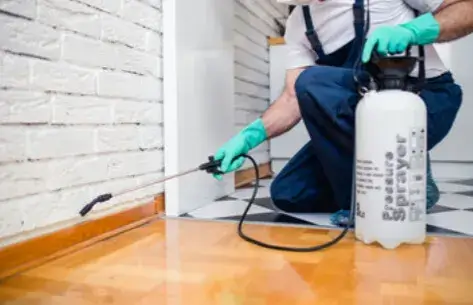
Pest Control: Results-Oriented Methods to Protect Your Home and Business
Preface to Pest Control
Pest Control encompasses the supervision or direction of organisms defined as pests – life forms that harmfully influence human pursuits or environments. In New Jersey, in which various natural systems intersect with metropolitan and urban growth, effective Pest Control is not merely a luxury but a crucial element for maintaining wholesome dwelling and business spaces. From the extensive localities of Monmouth County to the tight-knit neighborhoods of Matawan, pest issues can disturb any person, independent of how immaculate or well-kept their dwelling may be.
The significance of establishing powerful Pest Control procedures can't be overstated. For homeowners, pests can wreck foundational solidity, taint food supplies, and constitute considerable health risks. Commercial entities meet these comparable hurdles, with the increased concern of reputation destruction and potential loss of customers if problems are identified. Typical pests in New Jersey involve vermin like rats and mice, numerous arthropods such as ants, cockroaches, and bed bugs, and the specifically harmful termites that can silently compromise a building's groundwork.
The Reason Pest Control Is Significant
Health Perils of Pest Control Treatments
A lot of pests bear and transmit disorders that can trouble humans and pets. Rodents are established vectors of hantavirus, salmonella, and leptospirosis. Cockroaches can cause asthma bouts and sensitized effects, notably in youngsters. Ticks, copious in New Jersey's woodland locations, are notorious for disseminating Lyme disease, while mosquitoes can carry West Nile virus and Eastern Equine Encephalitis. Professional Pest Control assists reduce these health threats by destroying the origin of these probable disease carriers.
Real Estate Harm in Pest Control
The foundational destruction created by pests can be considerable and expensive. Termites exclusively trigger over $5 billion in home harm annually around the United States, with New Jersey homes being specifically exposed due to the state's weather. Small mammals can chew through electrical circuitry, forming fire hazards, while their continuous nibbling can harm padding, pipes, and timber basic elements. Even relatively inoffensive ants can weaken wood structures if allowed untreated, particularly carpenter ants which are common in Monmouth County.
Budgetary Implications of Pest Control Services
Ignoring pest incursions can produce important budgetary outcomes. What possibly initiate as a insignificant infestation requiring easy management can quickly expand into a substantial complication requiring comprehensive repair. For establishments, chiefly those in the food trade or leisure fields, pest infestations can result in failed health checks, temporary shutdowns, and sustained impairment to status and patron belief. Putting money in consistent Pest Control is not just about instantaneous comfort—it's a prolonged financial security.
Pest Control: Common Residential and Commercial Pests
Rats and Mice (Rats and Mice)
When it concerns recognizing rodent problems in your New Jersey home, watchfulness is key. You might observe feces near food stocks, in storage units, or beneath sinks. Chew marks on food packaging, lumber, and power lines are revealing signals of their presence. At after dark, you may hear clawing commotion in walls, ceilings, or below floors as these evening organisms become energetic. If you uncover nests built from torn stationery, textile, or desiccated plant matter, that's a distinct signal rodents have created themselves settled. Oily rub marks against baseboards and partitions manifest as rodents adopt the matching paths recurrently, while your pets may show atypical conduct such as woofing or pawing at spaces beneath machines or fixtures where rodents lurk.
Small mammals in New Jersey homes and firms establish many menaces beyond mere disturbance. They can corrupt food and cooking counters with infectious agents existing in their liquid waste and stools. Their perpetual requirement to nibble can damage possessions, especially electrical lines, which forms fire risks. In Matawan and surrounding places, the Norway rat and house mouse are specifically troubling, prospering in both municipal and bedroom community settings. Efficient Pest Control measures are necessary to manage these damaging intruders.
Bugs (Ants, Cockroaches, Bed Bugs)
Insect problems manifest themselves in assorted manners according to the variety. Ant predicaments get noticeable when you witness obvious ant routes leading to food stocks, or when you locate diminutive collections of soil or wood pieces produced by carpenter ants. Cockroach invasions often disclose themselves through dark droppings reminiscent of coffee grounds or black pepper, a special stale odor that suffuses infested areas, and the presence of egg capsules in secret corners. Bed bug problems show up as rust-colored marks on mattresses and furnishings, shed skins near lounging areas, diminutive blood spots on sheets, and prickly red lumps on skin normally positioned in a string or cluster.
Invertebrates represent the most diverse class of pests in New Jersey. Cockroaches can initiate asthma and allergies while circulating countless microorganisms. Bed bugs, while not disease spreaders, bring about appreciable distress, sleep interruption, and mental distress. Special ant breeds, like carpenter ants common in Monmouth County's forested locations, can generate framework destruction equivalent to termites throughout time. Qualified Pest Control companies can spot specific insect types and apply aimed remedy methods that confront the unique conducts and susceptibilities of each pest.
Termites
Discovering termite activity initially requires understanding the understated markers of their attendance. You perhaps spot shed wings near windows and portals after swarmers have found a mate and created a new population. Mud tubes on exterior walls, timber beams, or in crawl openings serve as secured highways for these damaging insects. Wood that resonates empty when struck suggests termites have been dining from internally. Portals and casements that all at once attach may reveal distorting from termite injury, while cracked or blistering paint reminiscent of water impairment often camouflages termite operation underneath. Spotting frass—termite droppings similar to tiny wood-colored granules—delivers another proof of their undesirable presence.
Termites create perhaps the most important constructional risk across all typical pests. In New Jersey, the Eastern subterranean termite is prevalent and specifically harmful. These insects can persist unsensed for durations while generating significant harm to lumber foundational pieces. Homes in Matawan and throughout all of Monmouth County, particularly older properties, are susceptible to termite outbreaks. The mean cost of term pest control.
Pest Control Safety Considerations
Secure Application of Products and Chemicals in Pest Control
While pesticides turn needed in your pest control plan, focusing on protection requires consideration to numerous vital methods that safeguard individuals, pets, and the surroundings. Continuously review and comply with product guidelines accurately, as these binding guidelines demonstrate comprehensive testing and governmental assessment created to decrease hazards. Apply the least effective amount of pesticide to attain management while limiting excess substance incorporation into your residential area. Employ products only in zones designated on the product instructions, eliminating off-label treatments that may cause surprising hazards or lower effectiveness. Wear appropriate protective apparatus as stated by product producers to prevent personal exposure during use. House substances in their original packages with labels intact to keep access to security information and stop mix-ups. Maintain thorough notes of all applications, writing down products utilized, dilution levels, locations treated, and times of treatment for future consultation. Enable proper setting and ventilation before reentering serviced locations, especially significant in New Jersey's weather where humidity can impact drying times. Consider less-toxic alternatives when successful, as developments in pest control have generated many safer options that retain performance while reducing potential risks.
Defending Companions and Children During Pest Control Applications
Particular measures become crucial when applying pest control treatments in households with vulnerable household occupants. Relocate animals during treatment and until spaces are dry to eliminate immediate interaction with damp products or fumes that could create bad responses. Shield or remove pet meals, drinking containers, and toys before treatment to prevent contamination that could lead to unintentional ingestion. Put children's toys away from service locations, particularly items that young children might put in their lips. Sanitize and sanitize meal cooking areas after application, even if they were not directly applied to, to eradicate any traces that might have gathered during application. Keep children away from applied spaces for the suggested period, prolonging this time for crawling babies who have greater direct exposure with ground and lower spaces. Examine non-toxic to pets and non-toxic to children product alternatives when accessible, as many contemporary products target specific pest biology while reducing animal harm. Most importantly, notify professional applicators about the occurrence of animals, children, or pregnant household occupants before they create service strategies, permitting them to adjust strategies and product options accordingly.
Legal Requirements and Compliance with Pest Control
Pest control in New Jersey functions within a regulatory framework created to safeguard public health and the ecosystem while maintaining effective pest control. The New Jersey Department of Environmental Protection oversees pest management operations, demanding expert pest control organizations to achieve certain standards. Companies must employ licensed technicians who have passed official assessments proving skill in pest biology, service procedures, and protection guidelines. These businesses must maintain proper coverage coverage shielding both their professionals and their clients from likely injury or injuries connected with pest elimination operations. Strict guidelines regulate product warehousing, shipping, and elimination to stop natural pollution and illegal access. Professionals must offer Safety Data Sheets upon demand, documenting the features and hazards of products employed in applications. Warning requirements apply for certain uses, especially in apartment residences or industrial areas with several residents. Detailed application records must be upheld, establishing an inspection path of pest control activities. Moreover, only chemicals registered for employment in New Jersey may be legally used, ensuring that regional environmental conditions and environments have been examined in the licensing procedure. For business buildings in Matawan and throughout Monmouth County, additional regulations may be relevant relying on the business, specifically for food service, health, and childcare buildings where pest management overlaps with additional public wellness factors.
Eco-Friendly Pest Control Alternatives
Comprehensive Pest Management (IPM) Method
Unified Pest Control embodies the gold measure in current pest control, concentrating on lasting deterrence through a mixture of strategies that minimize natural effect while enhancing effectiveness. The IPM method starts with comprehensive inspection and tracking to pinpoint pest activity precisely, setting up baseline facts about kinds found and amount levels. This creates exact classification of pest kinds, ensuring elimination attempts focus on individual behaviors and vulnerabilities rather than applying generic methods. Experts set threshold quantities that justify treatment, understanding that the mere detection of a small number of pests doesn't inevitably demand intervention if populations continue less than harmful levels. When intervention becomes necessary, IPM implements multiple control approaches in combination, typically commencing with minimal-risk methods and increasing only when required. Across the method, practitioners assess efficiency and adapt techniques as appropriate, establishing a dynamic approach adaptive to varying conditions. Most significantly, IPM emphasizes avoidance over control, handling building and environmental conditions that support pest groups rather than simply eliminating present pests. Many pest control firms in New Jersey offer IPM-based treatments that align with the region's push toward lower-risk pest treatment procedures, particularly in critical settings like educational facilities, healthcare facilities, and food preparation operations.
Alternative Management Techniques
Productive pest control often incorporates chemical-free strategies that can address or decrease pest troubles without bringing pesticides into the surroundings. Mechanical shields such as screens, door sweeps, and sealing stop pest access entirely, tackling the concern at its beginning. Direct controls like snares and barrier systems extract present pests while avoiding new infestations. Biological controls featuring beneficial insects and bacteria insert biological antagonists that attack specific creatures while keeping useful life forms unharmed. Behavioral methods alter the setting to repel creatures, such as changing Capitol Exterminating System pest control service NJ watering timing to lower humidity that draws some pests. Area modification lowers hiding places and feeding resources, creating properties reduced hospitable to troublesome inhabitants. For particular creatures like bedbugs, thermal treatments supply very effective treatment without synthetic traces by elevating heat over the heat death level for all life stages of the target pest. Similarly, cold methods for warehoused commodity insects like cereal bugs or pantry pests can eradicate problems in edible products without harmful exposure. These techniques show particularly useful in New Jersey's varied settings, where proximity to aquatic areas, preserved environmental locations, and heavy urban zones forms multiple situations where synthetic limitation turns beneficial or needed.
Green Pest Control Management Approaches
The pest control industry continues to evolve toward increasingly green procedures that preserve effectiveness while minimizing natural impact. Organic products derived from organic extracts like chrysanthemum extract, neem oil, and natural oils supply precise treatment with reduced lasting power in the surroundings. Living treatments featuring bacteria, spores, or agents that target individual pest creatures supply precision that typical broad-spectrum pesticides are unable to match. Growth inhibitors that block pest breeding by interfering with maturation processes offer extended quantity control without immediate harmful impacts on adult creatures. Scent traps that monitor or interfere with pest reproduction support figure out when treatment turns necessary and can stop mating in specific varieties. The sector increasingly uses lower-risk substances with minimal natural footprint, changing apart from conventional chemistries with more extensive effects on unintended creatures. Exact application equipment that decrease complete substance use deliver procedures specifically where required rather than broadcasting chemicals across broad areas. Green qualification programs for pest management organizations determine requirements for ecologically superior service and supply users with clear labeling of providers devoted to sustainable methods. In naturally sensitive locations of New Jersey, encompassing sections of Monmouth County with nearness to liquid sources, these eco-conscious methods are notably important for preserving both personal wellbeing and natural systems while still delivering effective pest management.
Finding a Local Pest Control Service Provider in New Jersey
Capitol Exterminating System
272 NJ-34
Matawan, NJ 07747
(732) 441-1900
Regularly Requested Queries (FAQs) about Pest Control
How regularly should pest control be done?
For most New Jersey homes, every three months pest control offers adequate protection against recurring pest threats. This routine coordinates with the region's distinct cycles, each creating distinct pest issues that need preventive focus. Springtime procedures typically address arising ant colonies and overwintered creatures growing active. Summertime services concentrate on mosquitos, parasites, and different aerial creatures that flourish in warmer climate. Cool season treatments set up residences for mice and rats and hibernating pests searching for refuge as temperatures decrease. Winter services maintain security against inside insects while addressing mouse and rat activity at its peak. Nonetheless, this timing may expand for properties with certain risk conditions or active concerns that require increased intensive management. Houses close to wooded regions in Monmouth County may profit from further tick and mosquito control services throughout high times. Properties with past of individual pest issues regularly need focused secondary applications above the typical four times yearly frequency. Commercial facilities, specifically dining service businesses in zones like Matawan, regularly demand monthly service to preserve compliance with safety standards and prevent issues that could harm standing and trade processes.
Is expert pest control protected for pets?
When conducted accurately, qualified pest control can be harmless for companions through thoughtful substance picking and usage methods that decrease contact. Modern directed usage procedures and lower-risk chemicals have considerably bettered protection aspects compared to traditional pest handling techniques. Contemporary treatments often utilize formulations particularly designed to have low harm to mammals while continuing successful against target creatures with separate physiologies. Expert applicators get preparation in employment methods that place materials in areas pets are unable to get to, such as wall gaps, fissures and openings, or underneath appliances. Though, pets should be taken away throughout treatment and until all applications have cured entirely, following certain delay durations recommended by the product company and professional. Water aquariums should be enclosed and oxygen systems turned off while performing treatment to stop contamination from airborne debris. Pet objects such as beds, toys, and eating bowls should be taken away or covered throughout application. Address any questions with your pest control company, who can suggest suitable waiting periods based on the individual treatments used and modify approaches for households with especially susceptible animals like flying animals or reptiles that may have alternative biological weaknesses than cats and canines.
What are the evidence of a severe pest problem?
Beyond visible creatures personally, various warning symptoms show possibly significant issues demanding prompt pest control action. Strange odors commonly appear with big invasions – stale, greasy odors may suggest rodents, while sugary, distinctive smells occasionally come with German cockroach populations. Unknown structural deterioration like drooping boards, blistering paint, or breaking timber may reveal termite damage or carpenter ant problems destroying building pieces. Strange noises within structures or roof areas, particularly at nighttime, frequently show mouse and rat presence as these nocturnal creatures become active in secret places. Excessive dust appearing as minute debris around lumber components may in fact be frass or excrement from timber-damaging pests. Some residences have unexplained health issues like breathing issues or discomfort that resolve when absent from house, probably showing pest issues altering internal air purity. In New Jersey homes, specific consideration should be given to cellar and lower zones where humidity concerns can maintain pest populations, especially in mature houses throughout Monmouth County where structural fissures and failing mortar offer multiple entry locations. Encountering numerous deceased bugs of the identical variety shows a more extensive colony close, while residue traces along trim reveal established mouse and rat pathways with consistent movement.
Can I prevent organisms without pest control products?
Absolutely, various pests can be prevented through proper cleaning, prevention, and living space adjustment without using pesticide applications. The cornerstone of natural pest control starts with detailed prevention efforts – sealing openings, spaces, and access points that allow creatures to invade structures in the first position. Installing entry seals, mending deteriorated barriers, and filling utility openings eliminates common entry locations. Eliminating food resources through proper food preservation in closed containers, fast elimination of spills and bits, and routine trash elimination considerably minimizes magnets that draw insects into homes. Lowering dampness by mending leaking pipes, enhancing airflow in wet zones, and dealing with water removal problems removes the moisture supplies various insects call for. Sustaining a buffer space around buildings by cutting plants, taking away plant waste, and storing fuel elevated and distant from structures reduces shelter locations and invasion places. Employing mechanical obstacles like copper wire or metal stuffing to stop larger spaces supplies permanent prevention for small mammals and rodents. Regular cleaning that contains suction cleaning gaps and gaps removes pest young and feeding particles that support pest development. For current issues, nonetheless, some variety of control agent may be essential to fix set concerns, though many reduced-danger alternatives are accessible including natural silica powder, boron compound, and insecticidal solutions that provide decreased threat against typical substances.
What should I prepare for during specialist pest control application?
A professional pest control application generally commences with a thorough inspection to pinpoint pest varieties, invasion locations, and encouraging situations relating to the problem. The specialist should take attention checking both inside and external zones, devoting focused focus to kitchens, wash areas, lower levels, and boundary building supports where pest activity often accumulates. Following this evaluation, the specialist should explain their findings in depth and suggest a service program tailored to your individual circumstances, discussing both the designated pests and the procedures recommended for controlling them. You may receive arrangement instructions before treatment, potentially containing repositioning objects, removing certain areas, or securing animals. While performing the treatment, the specialist will administer proper substances to focused areas based on the pest types recognized, emphasizing on openings, spaces, and pest shelter locations rather than broadcasting treatments over full surfaces. They may position observation systems like insect traps or attractant containers that assist monitor progress and supply persistent protection. After completing applications, a professional should detail any subsequent safety measures such as air circulation specifications, access intervals, or areas to clean. Before exiting, they should arrange follow-up services if necessary for especially challenging organisms like sleeping pests or German insects that generally demand several treatments for entire destruction. Throughout this method, experts should encourage inquiries and give understandable facts about the products and techniques utilized, reflecting their instruction and devotion to both efficiency and security.
Successful pest control is an important element of sustaining clean, secure living and business settings in New Jersey. From the damp warm seasons that bring mosquitos and blood-sucking insects to the frigid seasons when small mammals seek refuge interior, pest challenges remain a ongoing concern for homeowners and organizations in Monmouth County and Matawan. By comprehending typical pests, implementing precautionary measures, and knowing when to seek specialist help, structure owners can protect their properties and the health of tenants.
Adopting a preventive method to pest control is invariably additional effective and budget-friendly than addressing to developed infestations. Routine inspections, correct preservation, and handling little concerns before they worsen can eliminate the substantial charges and disturbances connected with significant pest concerns. When specialist intervention turns necessary, picking a trustworthy, authorized pest control specialist who utilizes unified pest treatment principles provides efficient solutions with minimal surrounding impact.